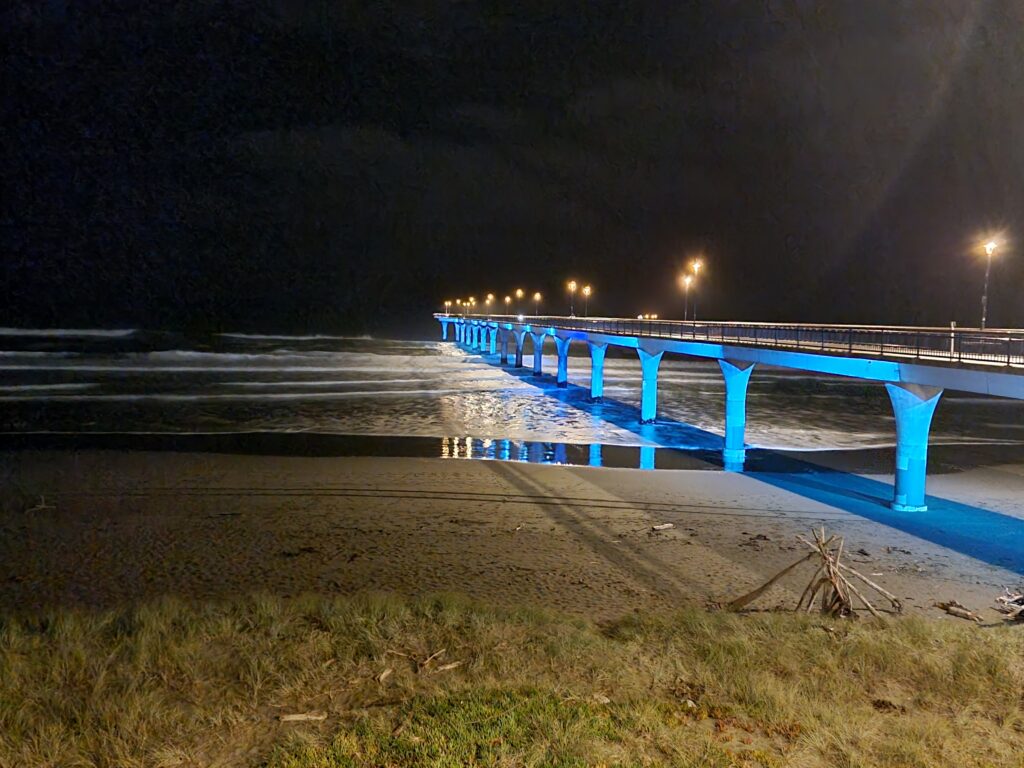
Shining a Light on Long Covid

Christchurch landmarks were lit up in teal this weekend to mark International Long Covid Awareness Day 2026. The day is observed on March 15th annually to raise awareness of the ongoing impacts of Covid infections. Worldwide, the prevalence of Long Covid is estimated to be 400 million people.
Six years on from the beginning of the Covid pandemic, hundreds of millions are still being infected with SARS-COV-2 worldwide and many are still developing Long Covid. New Zealand is currently entering its ninth wave of Covid, as evidenced by wastewater data.
Experts estimate that as many as a quarter of a million Kiwis could have Long Covid. The 5% estimate fits with findings in other countries. However, New Zealand is not tracking the number of people with Long Covid in New Zealand.
Children and young people are not immune to Long Covid. A University of Otago study reported that over 20% of New Zealand children experienced ongoing health symptoms following a Covid infection, including headaches, fatigue, and stomach aches.
Long Covid involves over 200 symptoms and can have a significant impact on people’s lives. Even people without recognised Long Covid may have lasting “invisible” changes from Covid infection that raise long-term risk to the heart, brain and other organs.
“Quality-of-life impacts reported by patients are similar to cancer and MS. But the broader societal implications of Long Covid are, in the words of UK immunologist Professor Danny Altmann, ‘so large as to be unfathomable’, Health economics professor Paula Lorgelly, lead researcher for the Long Covid Registry Aotearoa, said.
Accurate prevalence data is vital to establish health and support systems for people with Long Covid. This Awareness Day, we call on the Government to count Long Covid.